
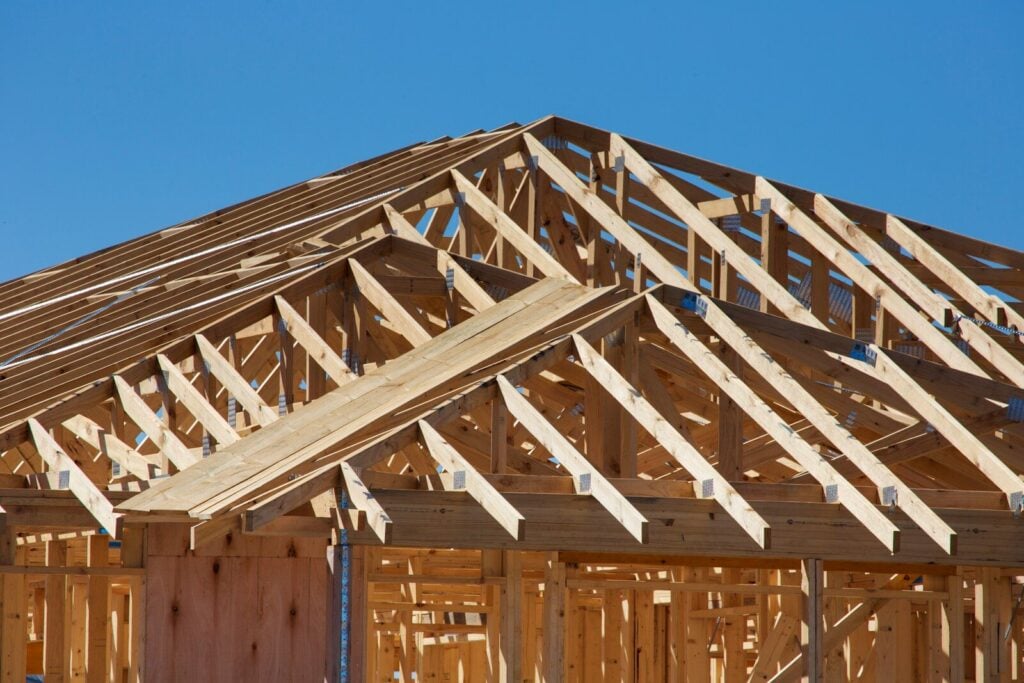
Buying a new construction home in the RGV can be exciting. You’re getting a home no one else has lived in, potentially choosing some of the finishes yourself and moving into a property with brand-new major systems.
But new doesn’t automatically mean problem-free.
A newly built home requires a different kind of due diligence than an existing property. Two homes with similar prices and floor plans can come with very different builders, warranties, standard features, energy-efficiency measures and post-closing support.
Before choosing a builder based on a model home’s kitchen or an advertised incentive, here’s what Rio Grande Valley homebuyers should know.
How to Research Builders for New Construction Homes in the RGV
The builder is one of the most important parts of a new-construction purchase.
Buyers should investigate how long the company has been building, where it has completed homes, what previous customers say, what warranties are provided and how the company handles problems after closing.
One useful starting point is a professional builders association.
For buyers looking in Cameron and Willacy counties, the South Texas Builders Association is a useful local resource. The association represents builders and other construction-industry professionals and provides consumers with a place to begin researching builders, developments and other housing-industry businesses.
For buyers looking in Hidalgo and Starr counties, the Rio Grande Valley Builders Association provides another local resource.
Membership in a professional association isn’t a guarantee that you’ll have a perfect experience with a particular builder. But these directories can give buyers a place to begin researching established industry professionals rather than relying entirely on advertisements or social-media posts.
Warranties for New Construction Homes in the RGV
One of the first questions I would ask any RGV home builder is simple:
Can I see the complete written warranty before I sign the contract?
Don’t settle for being told that the house “comes with a warranty.”
- What is covered during the first year?
- What workmanship issues are covered?
- Are plumbing, electrical and mechanical systems covered differently?
- Is there separate structural coverage?
- What is specifically excluded?
- Who administers the warranty?
- How are warranty claims submitted?
- How long does the builder have to respond?
- What happens if the builder and homeowner disagree about whether something is defective?
- Is the warranty transferable if the homeowner sells the property?
The Texas Association of Builders offers residential construction contracts and warranty documents for use by its builder members.
That doesn’t mean every Texas builder uses the same warranty.
It means buyers need to determine which warranty their particular builder is actually offering and exactly what that document promises.
What Does a 1-2-10 Home Warranty Mean?
Buyers shopping for new construction may encounter builders advertising a 1-2-10 warranty or something similar.
Generally, that terminology refers to different warranty periods for different components of the house, such as workmanship, certain systems and major structural defects.
But buyers shouldn’t assume every warranty marketed as “1-2-10” provides identical protection.
Ask the builder to explain in writing exactly what the one-, two- and ten-year portions cover, who backs each portion of the warranty, what exclusions apply and how a claim is made.
The written warranty matters more than the shorthand used to advertise it.
Inspecting New Construction Homes in the RGV
One of the biggest mistakes buyers considering new construction homes in the RGV can make is assuming a brand-new home doesn’t need an inspection.
A home inspector isn’t there only to find decades of wear and tear.
Building a house involves thousands of individual components and work performed by numerous trades. Even a reputable builder can have items that need to be corrected.
Depending on when a buyer goes under contract, it may be worth discussing multiple inspections with an independent inspector.
- A pre-drywall inspection while framing, plumbing and electrical components remain visible.
- A final inspection before closing.
- An inspection before the applicable builder warranty period expires.
A builder may also conduct its own walkthroughs and quality-control inspections.
Those can be valuable, but they’re not necessarily a substitute for an independent inspector working for the buyer.
What’s Included With New Construction Homes in the RGV?
Model homes are designed to sell homes.
That sounds obvious, but buyers can easily walk through a beautifully finished model and assume everything they see is included in the advertised price.
It may not be.
Ask the builder for an itemized explanation of what’s standard and what’s an upgrade.
- Flooring
- Countertops
- Cabinets
- Appliances
- Plumbing fixtures
- Lighting
- Landscaping
- Irrigation
- Fencing
- Garage features
- Exterior or architectural upgrades
If a particular feature is important to you, make sure it’s included in the written contract or specifications rather than relying on a verbal conversation.
Comparing Prices on RGV New Construction Homes
A new home advertised as “starting at $250,000” doesn’t necessarily mean the house you want will cost $250,000.
The final purchase price can change considerably depending on the builder and development.
Potential additional costs can include lot premiums, structural options, upgraded finishes, appliances, landscaping, fencing and design-center selections.
That’s why buyers comparing new construction homes in the RGV should compare what they’re actually receiving for the final price.
A $275,000 home with several features included could potentially represent a better value than a $250,000 home requiring tens of thousands of dollars in upgrades to achieve the same result.
Builder Financing Incentives Deserve a Closer Look
New-home builders frequently advertise incentives.
Those can include closing-cost assistance, interest-rate buydowns, upgrades or other discounts, particularly when a buyer uses the builder’s preferred lender or title company.
Those incentives can be valuable.
But buyers should still compare the entire financing package.
- Mortgage rate
- APR
- Lender fees
- Discount points
- Closing costs
- Cash required at closing
- Terms of any temporary or permanent rate buydown
A large advertised incentive doesn’t automatically mean that financing option is the least expensive one.
Compare the complete numbers, not just the incentive.
Energy Efficiency Matters in South Texas
Energy efficiency deserves particular attention when buying a new construction home in the Rio Grande Valley.
South Texas has a long cooling season, meaning the home’s HVAC system, insulation, windows, air sealing and other building-envelope features can affect the cost of owning the property long after closing.
Ask the builder what energy-efficiency standards the home is designed to meet and whether those claims are independently verified.
One regional resource is BUILT TO SAVE, a high-performance home program that works with participating builders and uses third-party inspections and testing for qualifying homes.
Participation by a builder doesn’t necessarily mean every house that builder constructs receives the same certification.
Ask about the specific home you’re considering, not simply the builder generally.
Look Beyond the House to the Development
When comparing new construction homes in the RGV, you’re not only buying a house.
You’re also buying into a neighborhood that may still be under construction.
- How many phases of the development are planned?
- What will eventually be built behind or beside the property?
- Are apartments or commercial developments planned nearby?
- Is there an HOA?
- What are the current HOA dues?
- Can those dues increase?
- What amenities are planned?
- Have those amenities already been constructed?
- Who maintains the common areas?
- Are there architectural restrictions?
- Who controls the HOA while the development is being built?
A beautiful model home can tell you a lot about the house.
It doesn’t necessarily tell you what the surrounding neighborhood will look like five or ten years from now.
Research Property Taxes Before You Buy
Property taxes can be particularly confusing with new construction.
A property’s current tax record may reflect only the value of the vacant lot or a partially completed improvement rather than the value of the finished house.
That means a buyer shouldn’t automatically assume the previous year’s tax bill represents what they’ll owe once the completed home is fully assessed.
The Rio Grande Valley also doesn’t have one universal property-tax rate.
The final tax bill can depend on the city, county, school district and other taxing jurisdictions associated with the property.
I’ve previously broken down how property taxes work in Cameron and Hidalgo counties in my Complete Guide to Property Taxes in Cameron and Hidalgo Counties.
Before purchasing new construction, buyers should estimate the potential tax obligation based on the completed home’s expected taxable value rather than simply relying on the property’s previous tax bill.
Don’t Forget Homeowners Insurance
The same principle applies to homeowners insurance.
Get an insurance estimate for the actual house before closing.
The cost can vary based on location, construction characteristics, coverage choices and other factors.
A mortgage payment that looks affordable before property taxes and insurance are added can look considerably different afterward.
That’s one of the reasons I recently looked at RGV home affordability using mortgage payments, property taxes and homeowners insurance together.
Can a REALTOR Represent You When Buying From a Builder?
Yes.
The sales representative working in a builder’s model home works for the builder, not the buyer.
A buyer can have their own real estate agent helping them evaluate properties, compare communities, understand the transaction and represent their interests through the purchase process.
There is one practical point buyers should know before they start touring model homes:
Talk to your real estate agent before you register with a builder or begin visiting communities.
Builder policies regarding outside agents and buyer registration can vary.
Having your agent involved from the beginning helps avoid confusion about representation and gives your agent an opportunity to help you compare builders and communities before you’ve already committed yourself to one.
How to Find RGV New Construction Home Builders
There are numerous custom and production builders operating throughout the Rio Grande Valley.
I wouldn’t choose one simply because the company appears first in a Google search or because you like one of its social-media ads.
Professional association directories are useful starting points.
For Cameron and Willacy counties, buyers can explore the South Texas Builders Association.
For Hidalgo and Starr counties, buyers can explore the Rio Grande Valley Builders Association.
From there, research individual builders, look at completed homes, ask for warranty documents, tour multiple developments, compare specifications and standard features, research the neighborhood and get an independent inspection.
The Bottom Line
Buying a new construction home in the RGV can offer some major advantages.
Buyers may get contemporary layouts, new mechanical systems, modern energy features, warranty protection and, depending on the builder and stage of construction, opportunities to select finishes or customize portions of the house.
But new construction isn’t a substitute for due diligence.
Research the builder.
Read the warranty.
Get an independent inspection.
Understand what’s included.
Compare financing.
Estimate property taxes and insurance.
Research the development.
And make sure promises that matter to you are reflected in writing.
The goal shouldn’t simply be to buy a new house.
It should be to understand exactly what you’re buying, who is building it and what happens after you get the keys.
If you’re considering a new construction home anywhere in the Rio Grande Valley, I can help you compare builders, communities and available homes and represent you through the purchase process.
